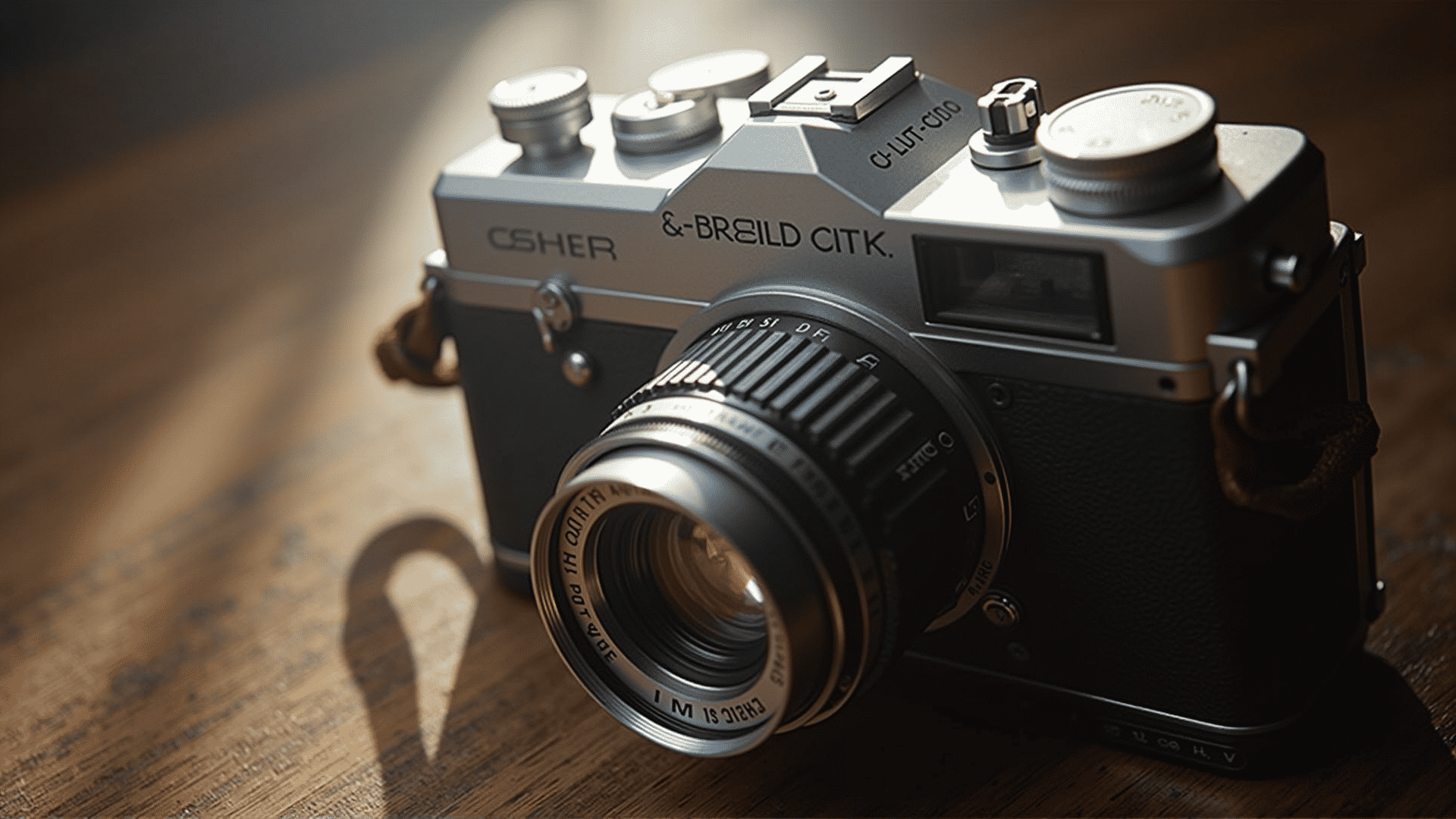
Understanding the essential elements of a camera is key to enhancing your photography skills. Whether you're a novice or looking to refine your skills, knowledge of your camera's components and settings can transform your photos.
Lens and Sensor
The lens is the gateway through which light enters your camera. Different lenses can achieve various effects, such as wide-angle shots or close-ups. The sensor, located inside the camera body, captures light and converts it into an image. The size and quality of the sensor significantly influence image clarity.
Aperture
Aperture refers to the opening in your camera lens that controls the amount of light hitting the sensor. Measured in f-stops, a lower f-stop number means a larger opening, allowing more light and producing a shallow depth of field. This is ideal for portraits where the background is softened. Conversely, a higher f-stop number provides greater depth of field, suitable for landscapes.
Shutter Speed
Shutter speed determines how long the sensor is exposed to light. A fast shutter speed effectively freezes motion, perfect for capturing action shots. On the other hand, a slower shutter speed can create a sense of motion, useful for shots involving flowing water or moving lights. However, slow shutter speeds may cause blurring if not stabilized, making a tripod necessary for clarity.
ISO Sensitivity
ISO controls the sensor's sensitivity to light. In low-light conditions, a higher ISO can be advantageous, allowing you to take photos without a flash. However, a higher ISO can introduce "noise," reducing image quality. Ideally, keep the ISO as low as possible to ensure clear, sharp images.
Focus
Focus is crucial in ensuring that your subject is sharp and well-defined. Most cameras offer various focus modes, including automatic and manual settings. Automatic focus is convenient for most situations, yet manual focus provides precision, especially in challenging lighting or composition settings.
Composition and Framing
Apart from technical settings, how you compose your image greatly impacts its effectiveness. Implementing techniques such as the rule of thirds, leading lines, and framing can turn ordinary photos into compelling compositions. Pay attention to your background and eliminate any distracting elements.
White Balance
White balance adjusts the color temperature in your photos, ensuring they appear natural under different lighting conditions. Settings like daylight, cloudy, and tungsten adjust the warmth or coolness of light, helping avoid strange color casts in your images.
Practice and Experimentation
Mastering your camera's basics requires practice and patience. Experiment with various settings in different lighting conditions and scenarios. Review your photos to understand how each adjustment affects the final image. In time, adjusting settings will become intuitive, allowing you to focus on your creativity.
By understanding these fundamental components and settings, you can significantly enhance your photography skills. This foundational knowledge opens a new world of creative possibilities, allowing you to capture beautiful images that reflect your artistic vision.