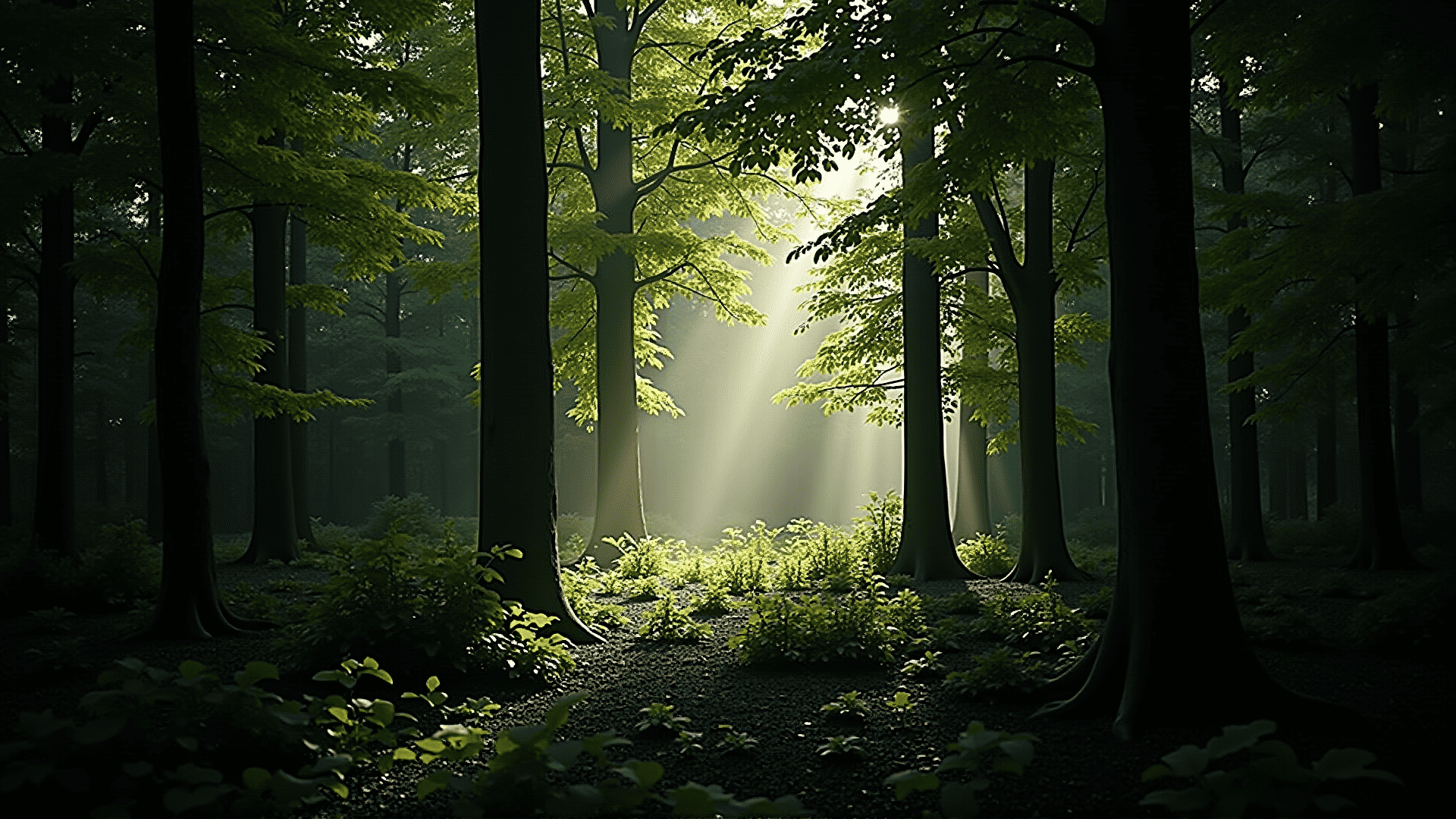
Understanding the art of light exposure is key to creating captivating photographs. Mastering this element involves appreciating how light influences the mood and detail in your images. Whether you're shooting landscapes or portraits, grasping the dynamics of light ensures each photo tells a compelling story.
The Essentials of Light Exposure
Light exposure fundamentally affects how a photograph appears, so understanding the components involved is crucial. There are three main factors that influence exposure:
-
Aperture: This refers to the size of the lens opening that allows light to hit the camera sensor. A wider aperture lets in more light, which is ideal in low-light situations but can result in a shallow depth of field. Conversely, a narrower aperture allows less light, which is perfect for well-lit conditions and achieving a broader focus.
-
Shutter Speed: This is how long the camera's shutter remains open to let light reach the sensor. Faster shutter speeds freeze motion and are ideal for bright environments or capturing moving subjects clearly. Slower speeds can be used creatively to convey motion or capture more light in dim settings.
-
ISO Sensitivity: ISO measures the sensor's sensitivity to light. A lower ISO is suitable for bright conditions, providing clearer images. In darker environments, a higher ISO increases sensitivity but can introduce noise or grain.
Balancing Light for Various Settings
Capturing stunning images often comes down to balancing these three elements to suit the specific lighting conditions of your scene. Here are some situations to consider:
-
Golden Hour Magic: Shooting during the golden hour, the first hour after sunrise and the last hour before sunset, provides soft, warm light that can make any subject glow. Since the light is not too harsh, you can use a wider aperture and lower ISO for crisp details.
-
Achieving Clarity in Midday Sun: Direct overhead sunlight can be harsh and create unwanted shadows. To counteract this, try using a faster shutter speed to reduce light intake. Consider lowering the ISO and aperture as well to maintain image quality.
-
Capturing Details in Low Light: When light is scarce, such as during nighttime or indoors, increasing the ISO and using a slower shutter speed can help. Be cautious with higher ISO settings, as they may introduce noise. A tripod can stabilize your camera and help maintain image sharpness when using slower speeds.
Creative Techniques to Explore
Experimentation is vital in honing your light exposure skills. Try these creative techniques to expand your photographic repertoire:
-
Silhouettes: Position your subject between the camera and the light source. Use a fast shutter speed to underexpose the background, creating a striking silhouette effect with dramatic contrast.
-
Long Exposure: Capture light trails, such as car headlights on a highway or stars in the night sky, by using prolonged shutter openings. This technique works excellently with a stable base like a tripod to avoid camera shake.
-
Backlighting: Place the light source behind your subject, using it to create a halo effect or emphasize texture. Adjust exposure settings to retain detail in highlights and shadows, achieving a well-balanced image.
Conclusion
Mastering light exposure is an essential skill for any photographer aiming to elevate their craft. By understanding and manipulating aperture, shutter speed, and ISO, you can adapt to various light conditions and uncover new creative possibilities. With practice and enthusiasm, your images will capture breathtaking illumination and depth, making every shot a masterpiece.