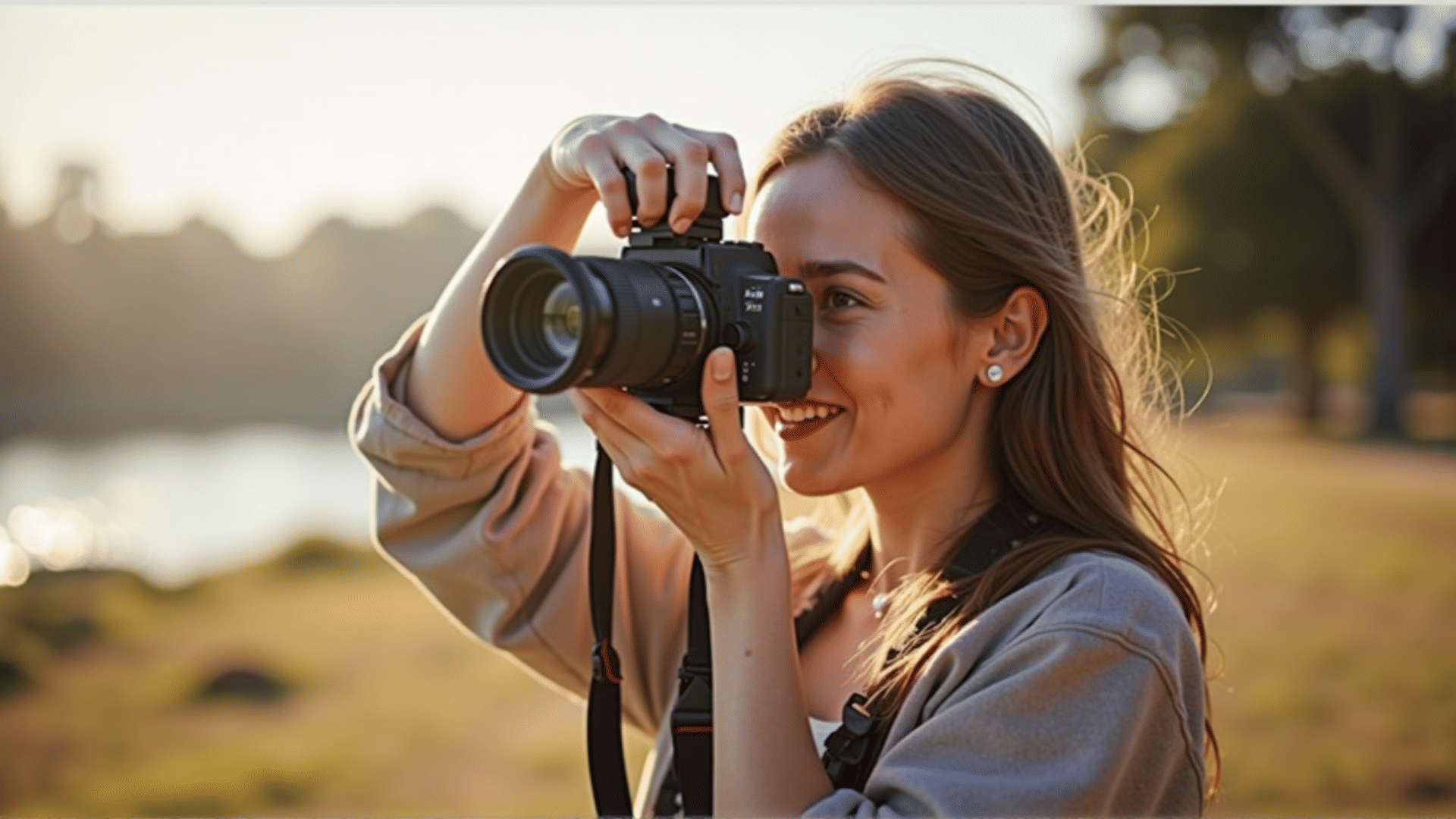
Understanding the basic functions of a camera is an essential step towards mastering photography. Whether you're a beginner or an enthusiast looking to improve your skills, having a firm grasp of these fundamentals will significantly enhance your ability to capture stunning images.
Exposure: The Foundation of Photography
Exposure is the cornerstone of photography, dictating how light or dark an image will appear. It is controlled by three critical settings: aperture, shutter speed, and ISO.
-
Aperture: This refers to the opening in a lens through which light passes to enter the camera. A wider aperture (a smaller f-number) lets in more light, while a narrower aperture (a larger f-number) allows less light. Aperture affects depth of field, influencing how much of the scene is in focus. A large aperture creates a shallow depth of field, making the subject stand out against a blurred background.
-
Shutter Speed: This determines how long the camera's shutter remains open to let light in. Fast shutter speeds freeze motion, ideal for capturing action shots. Slow shutter speeds can create motion blur, useful for conveying a sense of movement or adorning images with dreamy effects in low light.
-
ISO: This measures the sensitivity of the camera's sensor to light. A low ISO is preferable for bright conditions to maintain clarity, while a high ISO suits low-light environments but may introduce noise or grain into the image.
Focusing: Achieving Sharpness
Focusing is critical for capturing crisp and clear images. Most cameras offer autofocus and manual focus options. Autofocus uses the camera’s built-in systems to automatically focus on a subject, which is useful for most situations. However, manual focus gives you greater control and precision, especially in tricky lighting conditions or when photographing non-moving subjects.
White Balance: Balancing Colours
White balance ensures that the colors in your photos appear natural under different lighting conditions. Cameras come with pre-set white balance settings like daylight, cloudy, tungsten, and fluorescent, among others. Understanding and adjusting this function helps prevent color casts and keeps your images true to life.
Composition: The Art of Framing
While tools like exposure settings are essential, composition plays a pivotal role in crafting compelling photographs. Compositional techniques, such as the rule of thirds, leading lines, and framing, guide the viewer’s eye to the focal point of the image, creating balance and interest.
Lighting: Enhancing Mood and Atmosphere
Lighting drastically influences the mood and texture of a photograph. Natural light offers luminous opportunities, with golden hours (shortly after sunrise and before sunset) providing soft, flattering light. Alternatively, artificial lights let you experiment and control lighting indoors. Understanding how to manipulate light, be it natural or artificial, can elevate your photographic outcomes.
Conclusion
By understanding and mastering these camera functions, you are well on your way to improving your skills as a photographer. The magic of photography lies in experimenting, so don't hesitate to try different settings and techniques. As you become more familiar with these basics, you’ll gain the confidence to explore more advanced areas, ultimately refining your style and creating images that resonate with your vision.