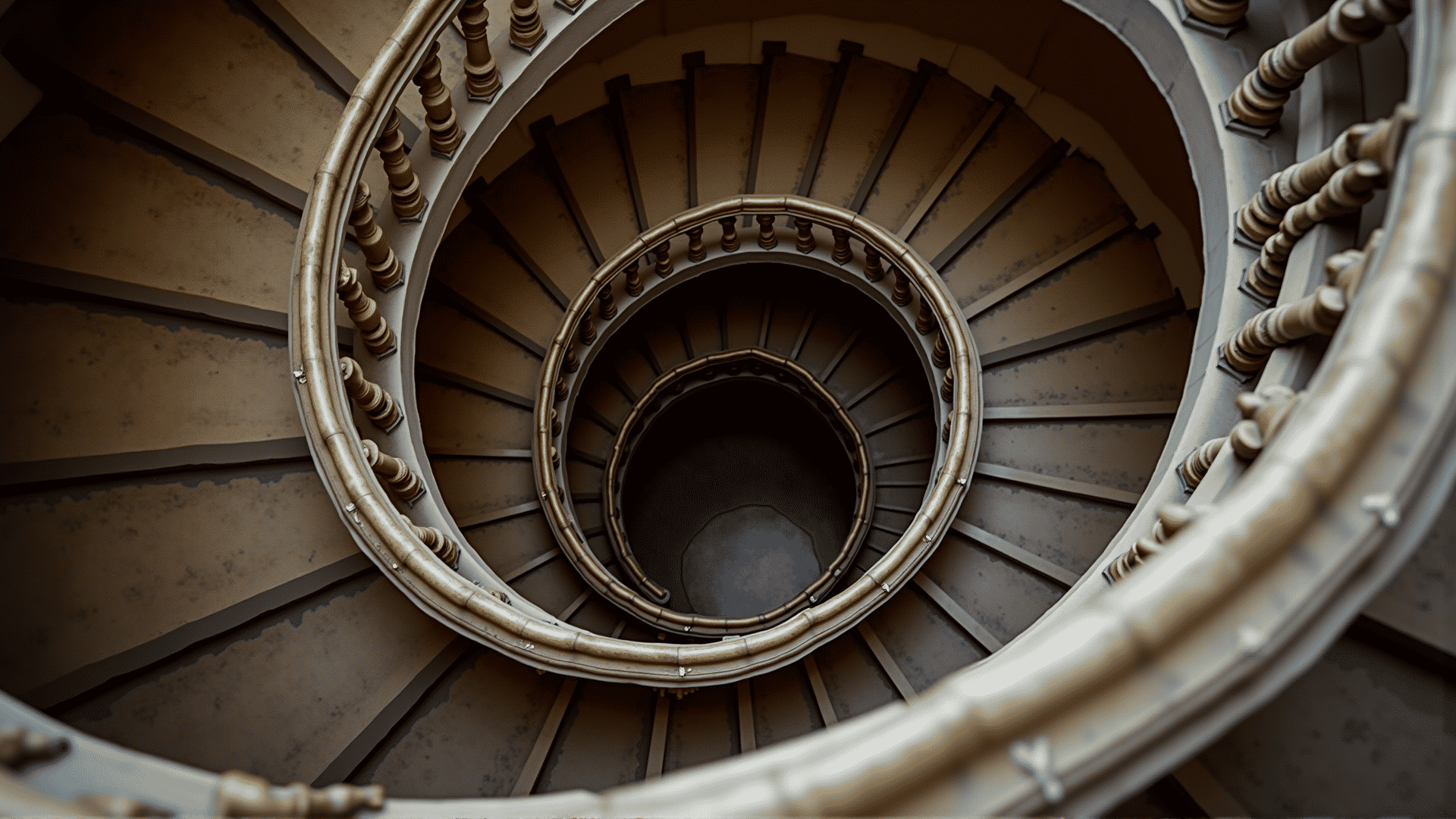
Unlocking the potential of visual storytelling often begins with mastering the art of composition. By learning the principles and techniques of composition, photographers can create images that are not only visually pleasing but also capable of conveying powerful stories and emotions. Here, we delve into some essential techniques to enhance your photographic compositions.
Rule of Thirds
One of the most fundamental composition techniques is the rule of thirds. Imagine your frame divided into nine equal parts by two equally-spaced horizontal lines and two equally-spaced vertical lines. Placing your subject at the intersection of these lines can create more tension, energy, and interest in the composition than simply centering the subject.
Leading Lines
Leading lines are a powerful way to draw the viewer’s eye into the scene and towards the main subject. These can be anything from roads, fences, rivers, or anything in your environment that naturally guides the observer’s gaze. Utilizing leading lines adds depth and perspective to your photographs.
Balance
Balance in composition is crucial to creating harmony within an image. This doesn't mean both sides of the image need to be identical, but they should have an equal visual weight. Including elements that counter-balance each other can create a sense of stability and completeness.
Framing
Using elements within the scene to create a frame around your subject can help focus attention and add layers of depth. Natural elements, such as tree branches or windows, make excellent frames. This technique helps in isolating the subject from its surroundings, emphasizing its importance.
Symmetry and Patterns
Symmetry and patterns appeal to the natural sense of order and beauty. Symmetrical images are often pleasing to the eye and can evoke a sense of calm and balance. Patterns, whether found naturally or created artificially, add a rhythmic quality that can be both engaging and visually striking.
Depth
Adding a sense of depth can transform a flat image into a more dynamic and immersive experience. Achieving depth can be as simple as including foreground interest, using wide apertives to blur the background, or employing leading lines to lead the viewers into the distance.
Negative Space
Negative space refers to the area around the main subject in your photo. Using negative space effectively can add simplicity and elegance, highlighting the subject and making it stand out. It can convey a sense of scale and openness, often evoking feelings of tranquility.
Experimentation
Lastly, don't shy away from experimenting with different angles, perspectives, and scales. Often, breaking away from conventional rules can lead to innovative and compelling compositions. The key is to experiment until you find a viewpoint that captures the essence of the moment.
By incorporating these techniques, photographers can shape how an image is perceived and felt by the audience. Composition, at its core, is about directing attention, creating mood, and ultimately telling a compelling visual story. Whether you’re capturing landscapes, portraits, or everyday moments, applying these principles will help elevate your work and engage your viewers on a deeper level.