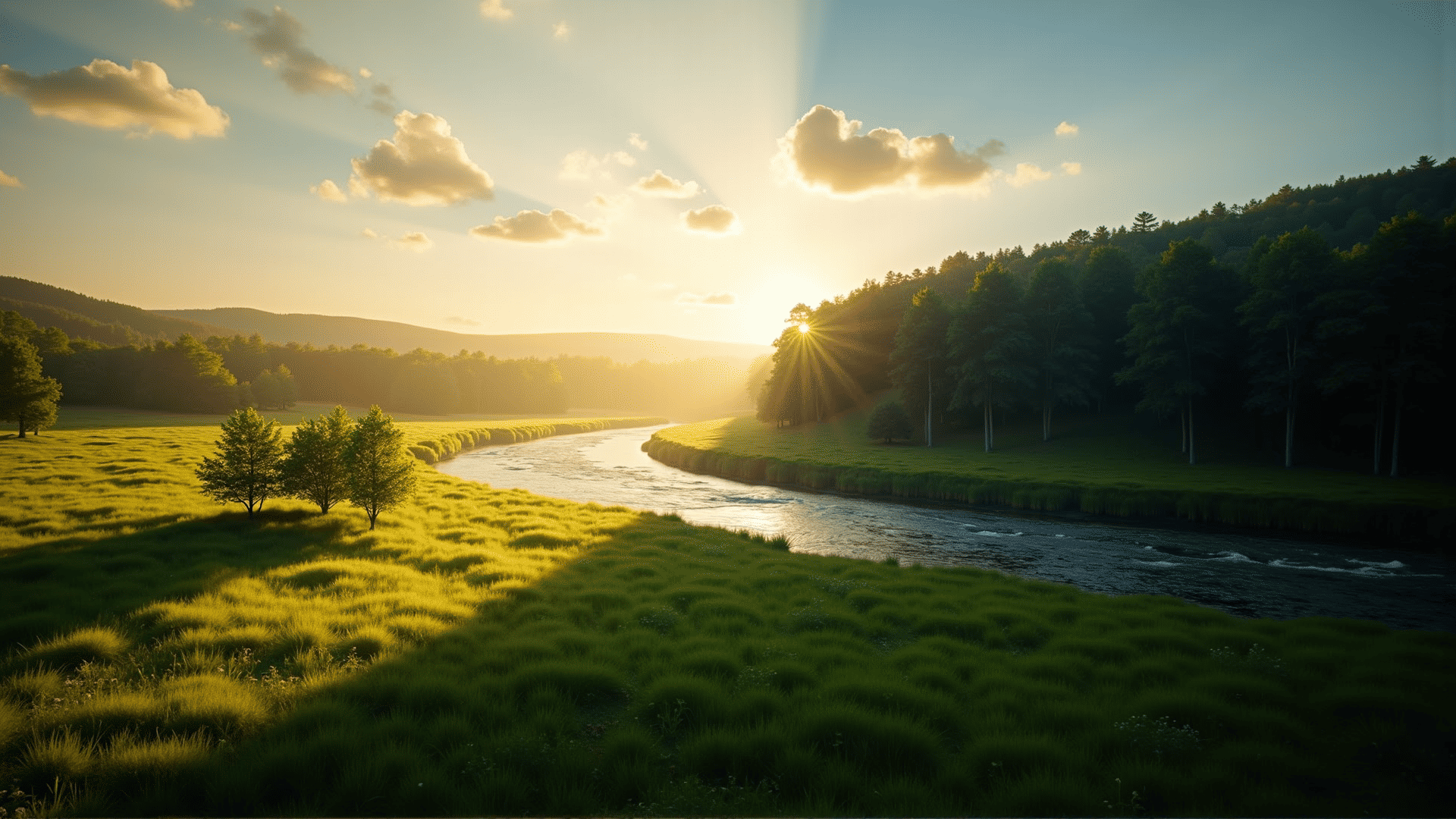
Understanding how to balance light in your photographs is crucial for creating mood and depth. Light defines the contours, textures, and colors in a scene, and manipulating it can transform a flat image into a vibrant visual story. Whether you're capturing a golden sunset or an indoor scene, mastering light exposure is key to enhancing your photographic creativity.
The Basics of Light Exposure
Light exposure refers to the amount of light a camera sensor receives while capturing an image. The exposure level is chiefly determined by three critical settings: aperture, shutter speed, and ISO.
-
Aperture: This is the size of the opening in the lens through which light passes. A wider aperture (a lower f-stop number) allows more light to hit the sensor and creates a shallow depth of field, making your subject stand out against a blurred background. Conversely, a narrower aperture (a higher f-stop number) lets in less light, providing greater depth of field for detailed landscapes.
-
Shutter Speed: This dictates how long the camera's shutter remains open to let light in. Faster shutter speeds freeze motion, ideal for capturing fast-moving subjects sharply. Slower speeds, on the other hand, can introduce motion blur, which can be used creatively to imply speed or fluidity, such as capturing flowing water.
-
ISO: This setting controls the sensor’s sensitivity to light. A lower ISO value produces images with less noise and finer detail, suitable for bright conditions. Higher ISO settings are used in low-light situations but can introduce graininess.
Creating Mood through Light
Light has an emotional impact. Bright, high-contrast lighting can infuse energy, drama, or urgency into your images. Softer lighting, like during the golden hour just after sunrise or before sunset, adds warmth and makes your subjects glow, perfect for portraits or nature photography. Understanding how different lighting conditions affect mood can help you choose the best time and settings to capture the essence of your scene.
Enhancing Depth
Depth in photography is all about creating a sense of three-dimensionality. To achieve this, take advantage of natural or artificial lighting to cast shadows that provide depth and dimension. Side lighting and backlighting can be particularly effective in sculpting shapes and emphasizing textures.
Furthermore, the interplay of highlights and shadows helps in defining foreground and background elements, drawing the viewer's eye deeper into the composition. You can experiment with different angles and the positioning of light sources to accentuate these features, adding layers to your narrative.
Practice and Adaptation
Learning how to manipulate and balance light takes practice. Each scene presents unique lighting challenges and opportunities. Regularly experiment with various camera settings and observe how changes impact the final image. Pay attention to natural light changes throughout the day and how they alter your scene.
Lastly, always be adaptable. Atmospheric conditions like clouds or the interplay of natural and artificial light can serve as unexpected enhancements, offering you new perspectives and creative avenues to explore.
By understanding and skillfully managing light exposure, you can transform, enhance, and articulate the mood and depth of your photographs, creating compelling and emotionally engaging images that resonate with viewers.